Our Platform
The Decision Lifecycle
One decision, followed from edge physical state to settled market dispatch.
- 1.0 · Sense — The asset's true state, read where it lives
- Dispatch that treats a battery or a data hall as a static nameplate scalar is deciding against a fiction. Wattness models the asset at the boundary — state of charge, electrochemical degradation, thermal headroom, and line limits — so decisions are evaluated against the physical machine that carries them.
- 2.0 · Decide — Co-optimised inside the constraints that actually bind
- Energy arbitrage, ancillary services, and deferrable compute form a single coupled problem. Edge agents solve them together inside a parameter envelope set by the physics — never a schedule the asset cannot sustain, never a commitment the interconnection cannot carry.
- 3.0 · Prove — A run that can be reconstructed, not just reported
- A declaration nobody can verify is an invitation to inflate it. Every optimisation run leaves a cryptographic proof of its execution and an accumulated delivery score. Verification sits alongside dispatch — no power market clears on a ledger, and none has to.
- 4.0 · Settle — An artifact the control room already accepts
- Coordination that requires tariff restructuring is coordination that stalls. What leaves the platform matches what existing control rooms already ingest: standard nodal offer curves, telemetry packets, and settlement files structured for conventional QSE submission.
- Storage · BESS Enclosure
- Cell Degradation Budget · Thermal Margin · Inverter Limits
- Flexible Compute · Compute Hall
- Rack Telemetry · Deferrable Workload · Ramp Profile
- Interconnection · Substation POI
- Settlement Point · Dynamic Line Rating · Transformer State
- Optimization Envelope · Autonomous Dispatch
- Multi-Product Arbitrage · Thermal Boundaries · Sub-Minute Execution
- Verification · Witness Record
- Off-Chain State Proof · Delivery Score Multiplier · Audit Trail
- Market Interface · ISO Gateway
- Native SCED Format · Standard Protocol Bridge · Zero Tariff Overhaul
- Market artifacts
- Nodal Offer Curve · Real-Time Telemetry · Settlement File · Delivery Record
- Grid 1 Baseline Interconnection
- The facility's firm interconnection baseline, serving as the fail-safe operational floor.
- Grid 2 Tiered Access Classes
- Dynamic, non-firm headroom allocated across prioritized curtailment tiers.
- Wattness Verifiable Decisions
- Physics-bounded dispatch offers accompanied by cryptographic execution proofs.
Our Businesses
Storage Intelligence
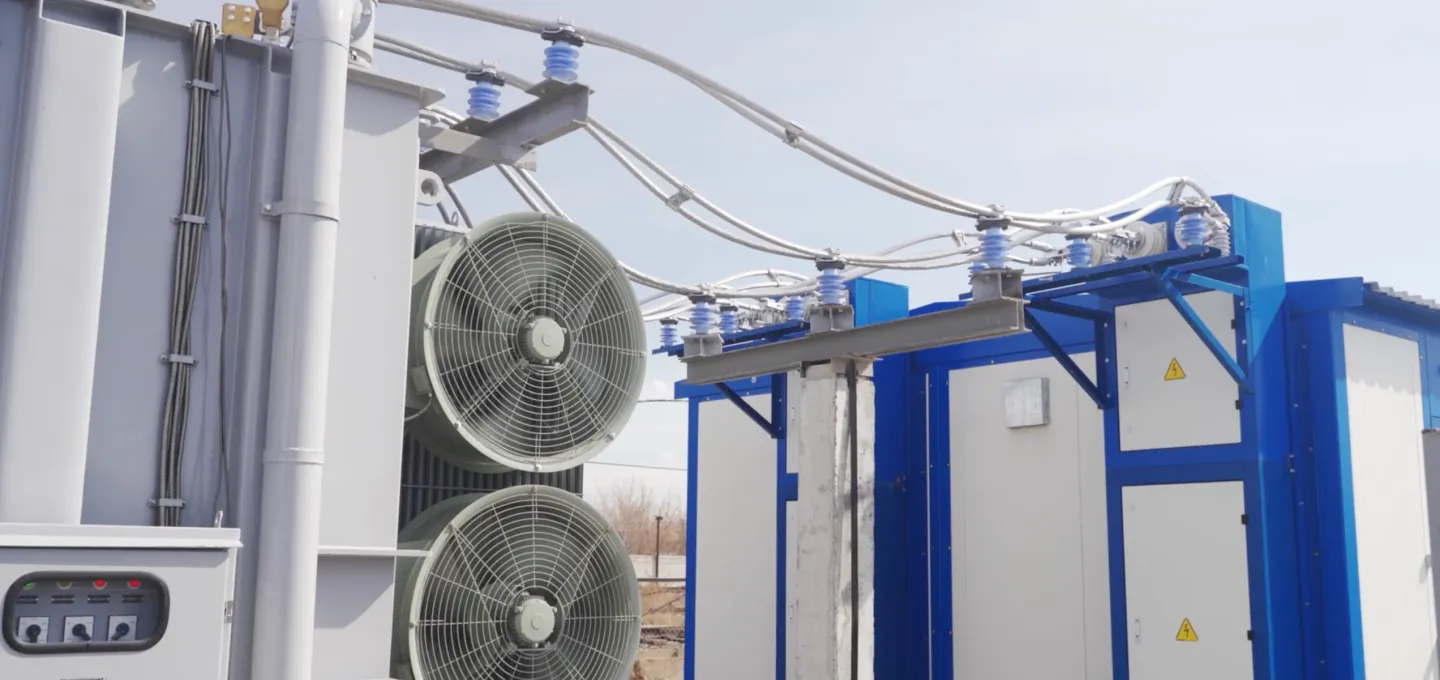
What the model carries
- State of charge
- —
- Electrochemical fade
- —
- Thermal headroom
- —
- Interconnect limit
- —
Read at the asset, per interval
Cumulative, per cycle
Against the enclosure's own limit
Firm baseline and non-firm headroom
Values withheld. The desk publishes its method continuously.
Overview
What We Do
We develop deterministic, degradation-aware dispatch models for utility-scale BESS and hybrid assets. Real-time state of charge, electrochemical fade and thermal headroom enter the marginal cost curve directly, rather than being applied as a correction after the fact.
That lets participation be co-optimised across energy and ancillary products without eroding asset warranties or long-term operational life — the constraint the model respects is the one the hardware actually has.
Capabilities
What It Does
01Degradation-Aware DispatchUtility-scale BESS
Cycle depth and rate enter the cost of a decision rather than a maintenance schedule. A throughput a warranty will not carry is priced as unavailable, not as expensive.
02Thermal Boundary EnforcementEnclosure and power conversion
Headroom is read at the enclosure rather than inferred from ambient. A schedule that would derate the asset is refused at the boundary, before it reaches the market.
03Multi-Product Co-OptimisationEnergy and ancillary services
Energy and ancillary products are one coupled problem. Solved together under one physical constraint set, the asset can hold a commitment it would otherwise have had to hedge.
Our Difference
What Sets Us Apart
Most dispatch treats a battery as a nameplate rating with a schedule attached. The physics arrives afterwards, as a derate or an outage, and the schedule was always a fiction.
We model the asset at its boundary and decide against that model, so a commitment is something the machine can carry rather than something the optimiser hoped it could.
Our Businesses
Flexible Load Orchestration
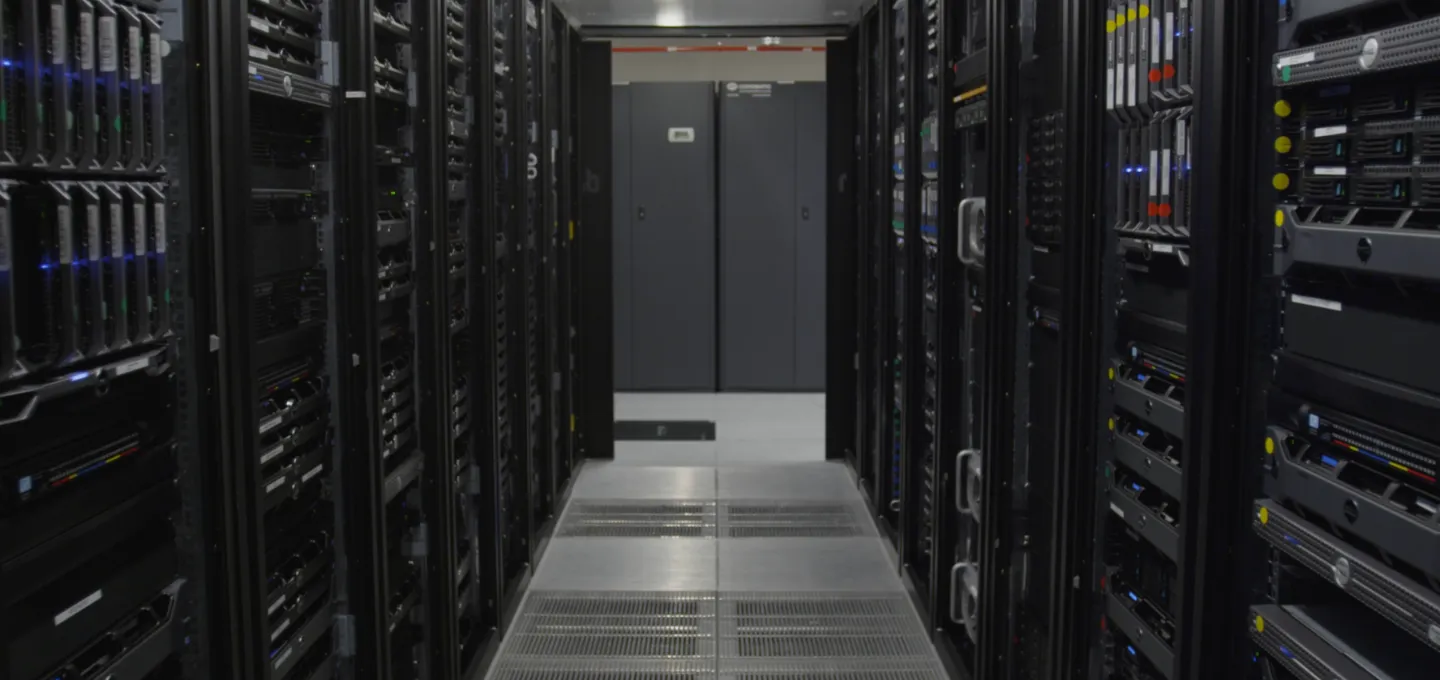
What the model carries
- Deferrable share
- —
- Ramp profile
- —
- Thermal inertia
- —
- Curtailment tier
- —
By workload class, per interval
Time to reach a commitment
Hall and rack line
Access class held at the point of interconnection
Values withheld. The desk publishes its method continuously.
Overview
What We Do
We enable hyperscale data centres, AI training clusters and industrial facilities to participate as dynamic grid resources. Internal workload deferrability and thermal inertia are mapped to real-time nodal congestion, so the site can answer a constraint with a schedule rather than with an outage.
That is what makes rapid, non-firm access under connect-and-manage tariffs usable: the load can prove what it will give up, and give it up without risking operational downtime.
Capabilities
What It Does
01Workload Deferrability MappingAI and batch compute
Training and batch work carry slack that interactive work does not. Classified at the rack line, that slack becomes a resource the grid can be offered rather than a risk the operator absorbs.
02Congestion-Aware SchedulingNodal signals
The binding constraint is usually local and usually brief. A schedule that reads it directly can move work by minutes and clear a limit that a firm connection would have had to be built around.
03Non-Firm Access Under TariffConnect-and-manage
Access classes already exist in tariff. What has been missing is a load that can demonstrate it will honour one, which is a measurement problem rather than a regulatory one.
Our Difference
What Sets Us Apart
Curtailment is normally manual, coarse and total: a site is on or it is off, and the decision is made by someone reading a screen.
Deferrability is a property of the workload, not of the building. Read at that resolution, a hall can give the grid what it needs without giving up what it was built to do.
Our Businesses
Verifiable Market Dispatch
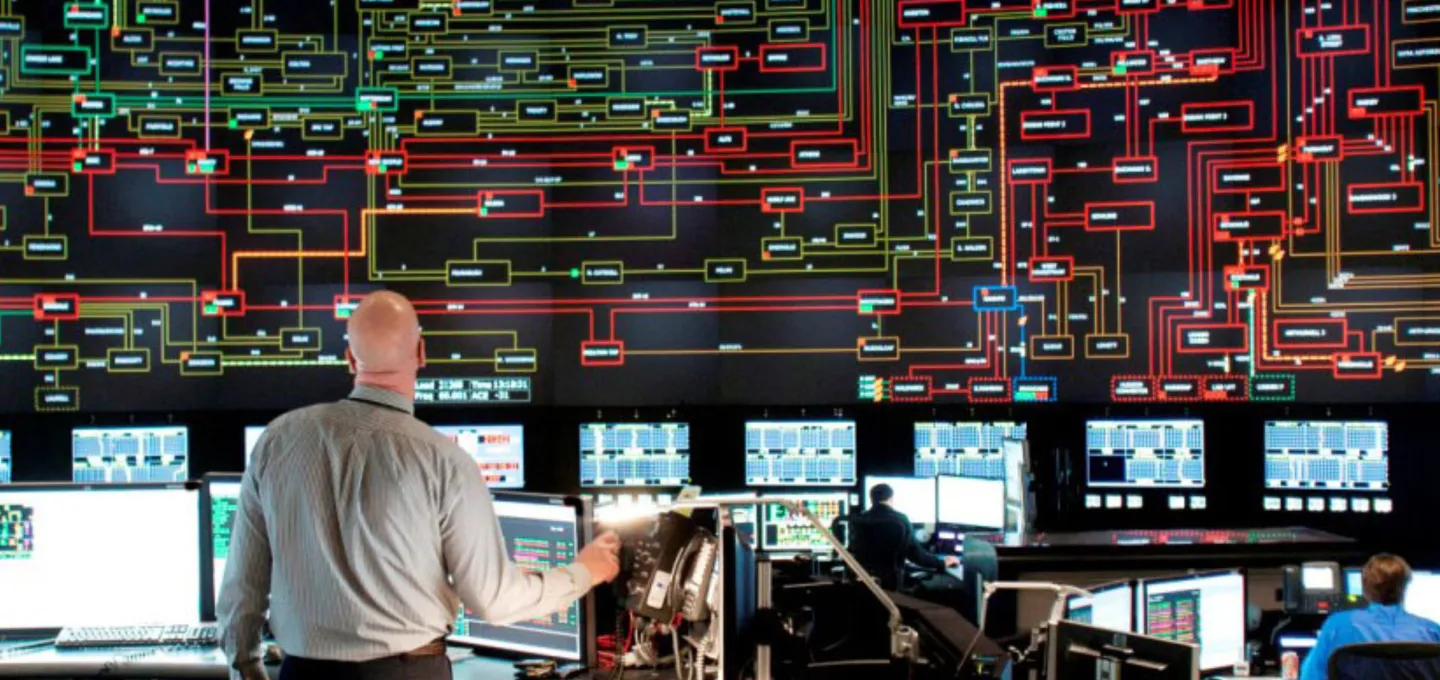
What leaves the platform
- Nodal offer curve
- —
- Real-time telemetry
- —
- Settlement file
- —
- Delivery record
- —
In the format the control room already ingests
At the cadence the market settles on
Structured for conventional QSE submission
Accumulated, and checkable after the fact
Values withheld. The desk publishes its method continuously.
Overview
What We Do
We turn edge decisions into artifacts a market already accepts: standard nodal offer curves, telemetry packets and settlement files that existing Qualified Scheduling Entities can submit without workflow changes.
Alongside each run we generate a selective cryptographic proof that it executed as declared, and a delivery record that accumulates — so a counterparty can check a claim rather than take it.
Capabilities
What It Does
01Native Market ArtifactsISO and RTO interfaces
Nothing here asks a market to change. What leaves is the same shape as what a scheduling entity submits today, which is the difference between a product and a proposal.
02Reconstructible ExecutionOptimisation runs
A proof that a run happened as stated, generated beside it rather than after it. Verification sits alongside dispatch — no power market clears on a ledger, and none has to.
03Delivery ScoringHistorical performance
A declaration nobody can check is an invitation to inflate it. A score built from what was actually delivered turns self-asserted capability into something with a cost attached.
Our Difference
What Sets Us Apart
Coordination that requires a tariff rewritten is coordination that stalls. Most proposals in this space begin by asking the market to become something else.
This one is an overlay. The firm interconnection baseline stays exactly where it is, as a floor nothing may touch, and everything we add is above it and optional.